
SAFETY
Every epic snowmobile ride starts long before the engine roars to life. The real adventure is riding hard, staying sharp, and making sure you come home to tell the story.
Prep for the unexpected
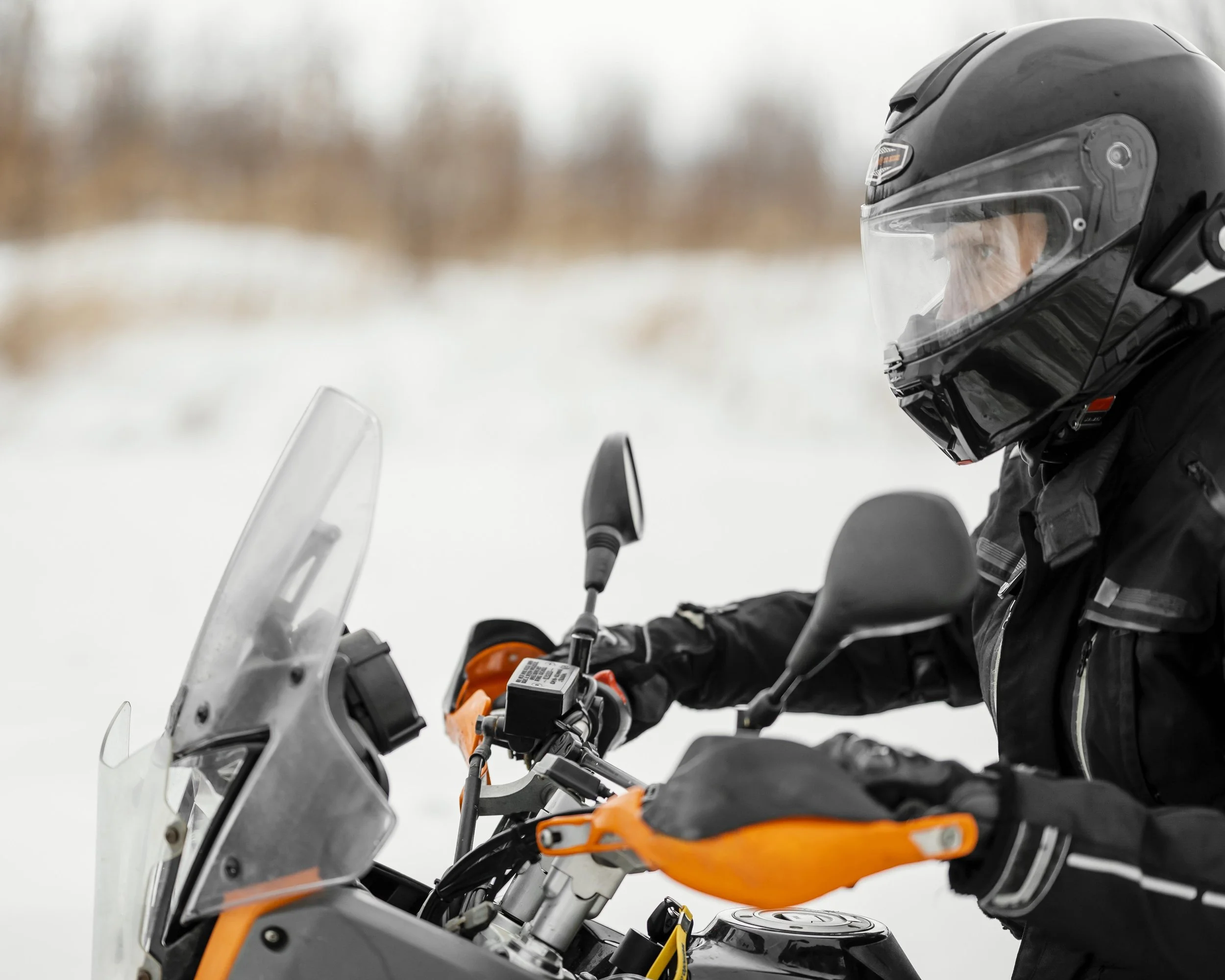
Great riders assume the terrain has surprises in store. A quick pre-ride check—fuel, oil, throttle, brakes, lights, track, and steering—helps catch problems before they leave you stranded miles from help. Toss a small survival kit in your storage: tools, first-aid, fire starter, flashlight, high-energy snacks, and a map or GPS so a minor mishap never becomes a full-blown emergency.
Be prepared to spend the night in the backcountry. You never know what might go wrong. Bring enough food, water, extra clothing for unforeseen events. Always have some kind of fire starter.
DON’T RIDE ALONE. Tell someone your route, destination, and return time, and check both weather and trail conditions before leaving, avoiding avalanche-prone areas and storms that can cause whiteouts.
AST1 avalanche training is recommended. https://avalanche.ca/
Respect ice and crossings
Frozen lakes and rivers can look like perfect racetracks, but they hide some of the most dangerous surprises in snowmobiling. Unless you know the ice is safe, treat it like thin glass and avoid it; if you must cross, check local conditions, spread out, and carry ice picks or wear flotation so you have a fighting chance if things go wrong.
Gear up like a pro
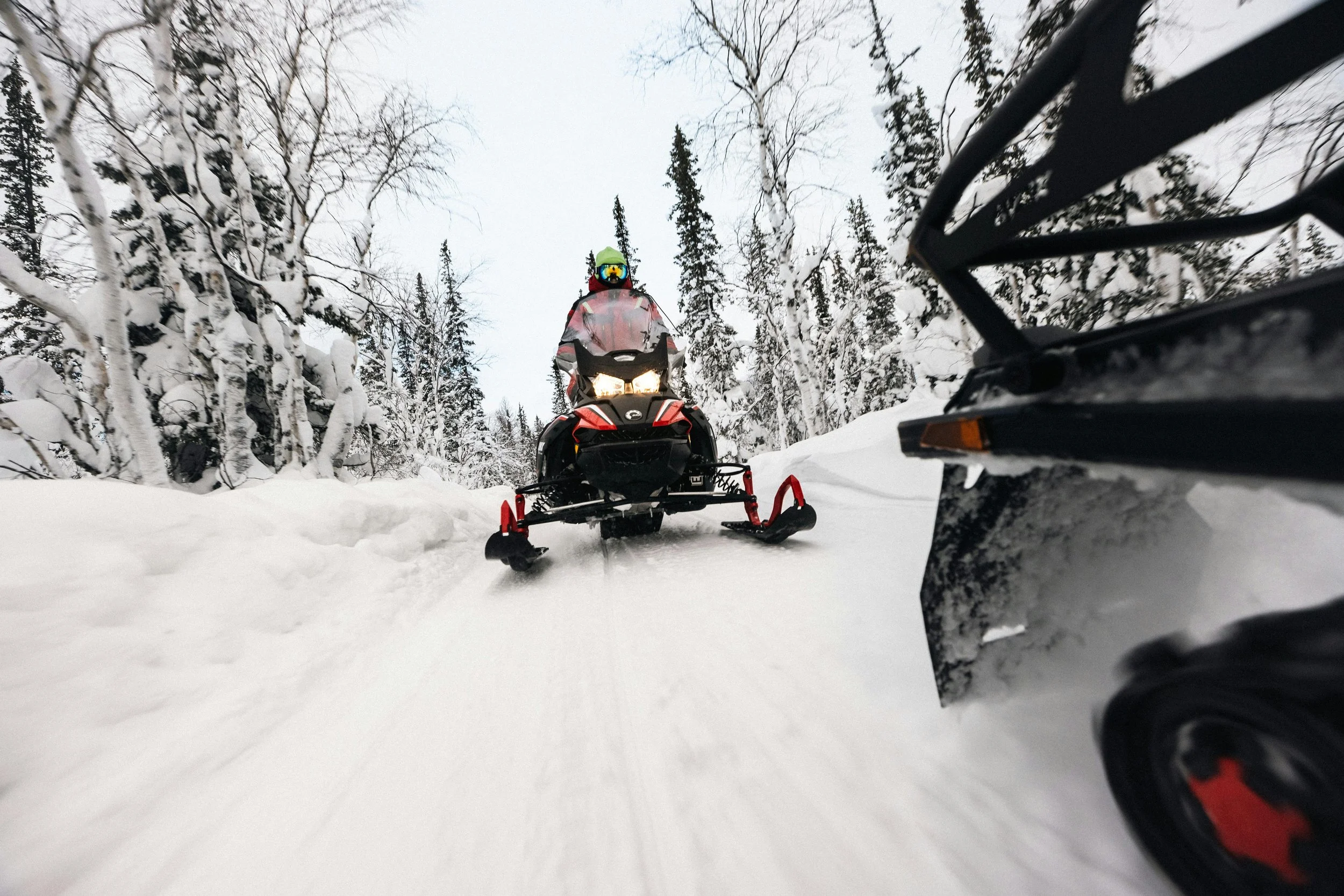
Before you rocket into the backcountry, suit up like you mean it. A certified snowmobile helmet with a snug fit, clear visor or goggles, warm gloves, and solid, waterproof boots turn brutal cold and flying ice into part of the fun instead of a threat. Layered, windproof clothing keeps your core warm so you can focus on the trail instead of your freezing fingers.
Backcountry riding safety gear (shovel,beacon,probe,saw,avy bag) WE CONSIDER THESE ITEMS A MUST FOR BACKCOUNTRY RIDING
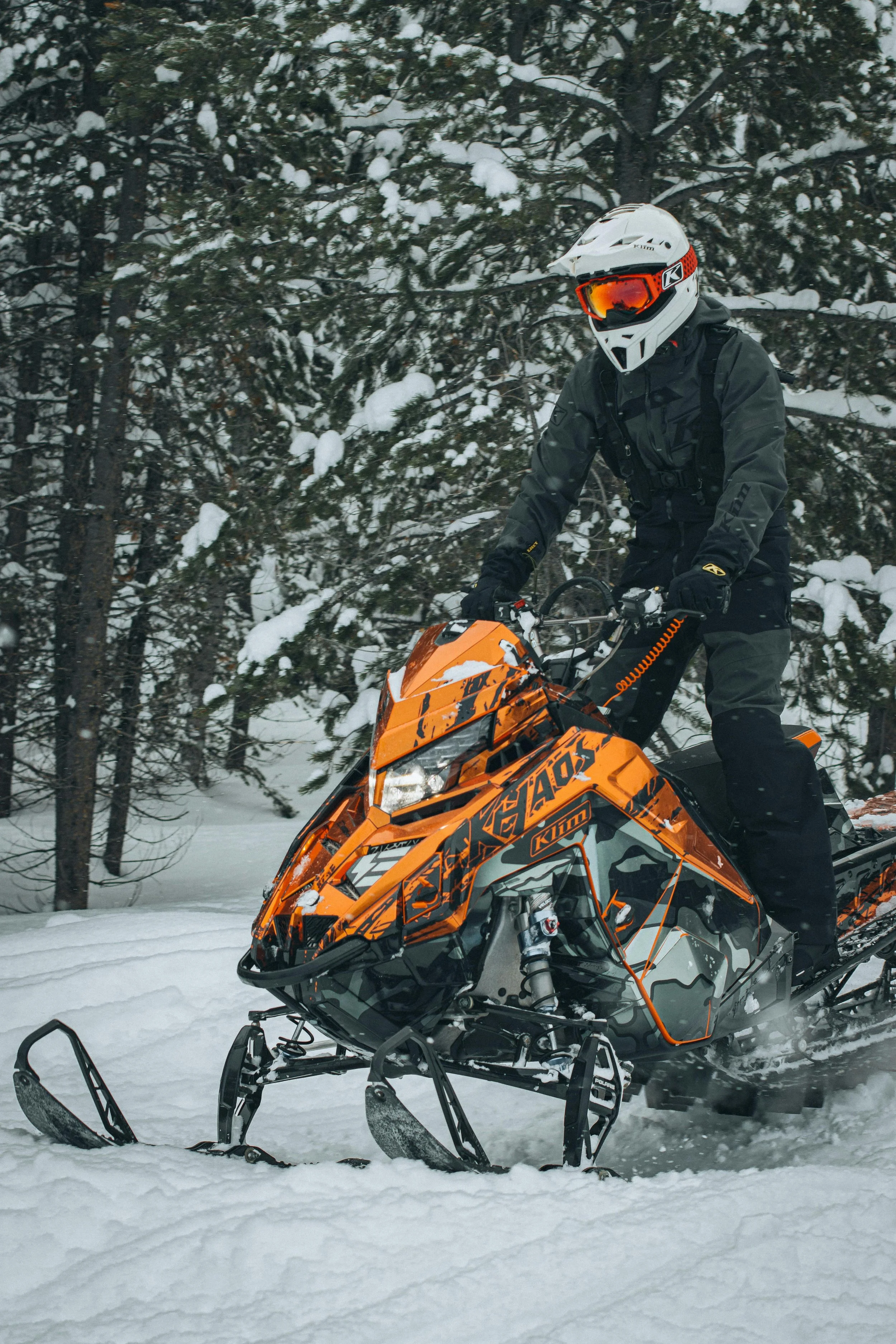
Ride hard, think smart
Wide-open snowfields and twisty forest trails tempt you to push the throttle, but the real skill is knowing when to ease off. Keep your speed matched to the snow, visibility, and your experience, and always ride sober so your reactions stay razor sharp when the trail suddenly turns or a hazard appears. Staying on marked, open trails lets you chase thrills without gambling on hidden stumps, drop-offs, or fenced-off land.
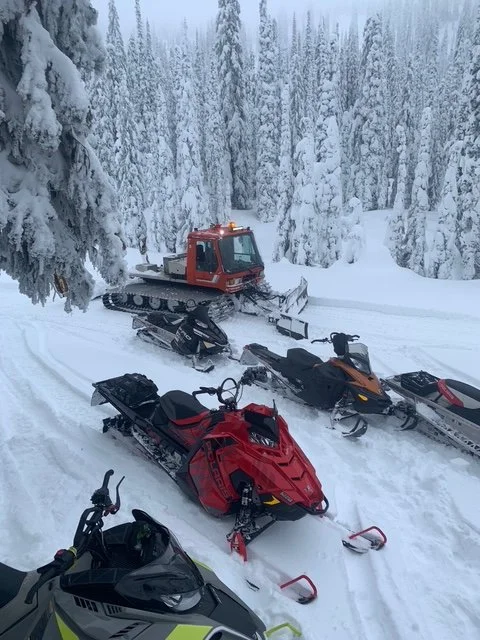
Lead the pack, not the headlines
The best snowmobilers ride like leaders, not stunt reels. Learn the hand signals, for stopping, turning, slowing, and indicating sleds ahead or behind so groups can coordinate safely.
Ride in single file with solid spacing, and communicate with your group so everyone flows through the terrain as a team.
Keep headlights and taillights on, and use bright or reflective clothing so others can see you in low light and over hills or blind corners.
Know the local laws, take a safety course, and pick routes that challenge you just enough, so every ride feels bold, fast, and unforgettable—for all the right reasons.
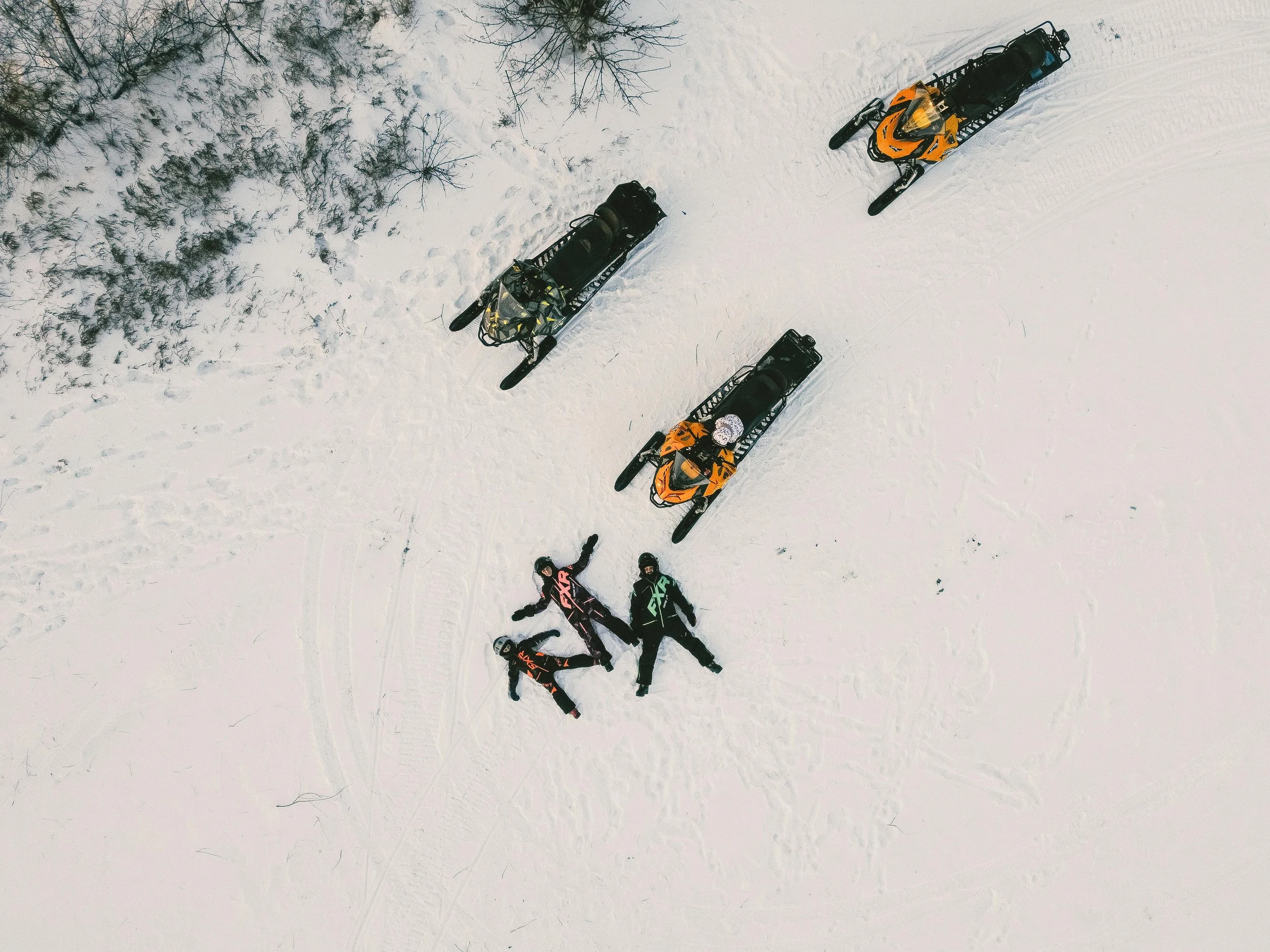
Planning a safe family adventure
Families can absolutely make snowmobiling both safe and unforgettable by planning around kids’ needs, not just the machine’s power. A few extra rules and habits go a long way toward keeping the adventure fun for everyone.
-
Do not let children under 16 drive; controlling a sled safely takes adult-level strength, coordination, and judgment.
Children under about 6 should not ride as passengers on a snowmobile because they cannot reliably hold on or brace over bumps.
Use proper passenger seats or enclosed caboose-style sleds rather than doubling up on a single seat or towing kids on tubes or sleds behind the machine.
Follow manufacturers specifications for passengers, youths and machine operation.
-
Make sure every child has a properly fitted snowmobile-rated helmet, not a bicycle helmet, plus insulated gloves, boots, and a one-piece waterproof suit with warm base layers.
Pack spare mitts, socks, and layers for kids, since they get cold and wet faster, and consider extras like heated grips or wind deflectors for the passenger area.ext goes here
-
Stick to groomed, marked trails and ride only in daylight when you have children with you.
Keep speeds low, pick smoother terrain away from trees, rocks, and steep ditches, and plan shorter loops with frequent stops for warmth, snacks, and bathroom breaks.
-
Go over simple family rules before starting: stay seated, keep hands and feet inside, no sudden shifting, and no touching the controls.
Use a lead-and-sweep setup with adults at the front and back of the group, and teach older kids basic hand signals so everyone knows when you are stopping, turning, or slowing down.
-
Learn the early signs of hypothermia and frostbite in children—such as shivering, numb cheeks or fingers, or unusual quietness—and head back or warm up at the first hints.
Carry a family-focused kit: first-aid supplies, emergency tools, flares, phone or satellite device, and snacks and hot drinks so a delay or minor breakdown stays just an inconvenience.